Four Poems by Humberto Akʼabal translated from the Spanish by Michael Bazzett
De Regreso
Cuando descubrí la poesía
commencé a recordar…
Mi poesía es un viaje de regreso.
Returning
When I discovered poetry
I began remembering…
My poems are a trip back home.
Solitario ciprés
Solo en aquella pradera,
sin hojas y ya sin vida,
el ciprés aún seguía de pie.
Su alargada sombra
reposaba en silencio.
El viejo cipréss
ya sólo esperaba
la última caída de sol.
Cypress
Alone in that meadow,
leafless and lifeless,
the cypress stood still.
His long shadow
stretched out in silence.
The old cypress
awaited only
its last sunset.
Sombra Conocida
Me encontré con una sombra conocida
y no dejé de asustarme un poco.
La luna, que recíen se había bañado,
me contó despacito
que mi sombra andaba buscándome.
Familiar Shadow
I ran into a shadow I thought I knew
and couldn’t help but shudder.
The moon, who’d just bathed,
told me softly that my shadow
was out looking for me.
Tela de Araña
Anoche te soñé
vestida con una tela de araña.
Me quedé sin ojos y sin aliento.
La araña lo sabía,
tu cuerpo no necesita nada mas.
Spider Web
Last night I dreamed you
were clothed in silken webs.
I was struck breathless, and blind.
The spider knows that’s all
your body needs.
Translator’s Note
Ak’abal is a master of brevity, his insights often arriving with a disarming swiftness (much like fragments of a dream might arrive, over coffee), yet his poems serve as apertures into much larger spaces, so that a reader soon finds themself wandering rooms and stanzas marked by his acute vision, his empathy, his incisive critiques and irreverence, his aphoristic wisdom. I feel my mind wandering, in the best sense of the word, when I’m inside his poetry. And I often feel like I’ve been given a fresh set of eyes. The poems themselves can feel less like semantic constructions than ways of seeing, echoing Jorge Luis Borges’s observation: “Poetry is not the poem, for the poem may be nothing more than a series of symbols.” Ak’abal’s poetry often lives and resonates in the silences around the work, in the emptiness of the page. Silence is one of the tools he employs to say the unsayable.
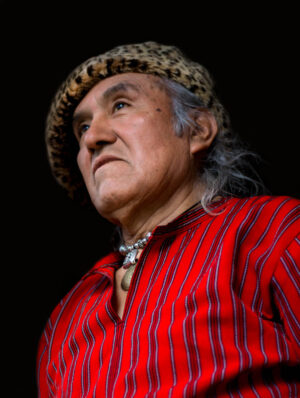
Humberto Ak’abal was a K’iche’ Maya poet from Guatemala. His book Guardián de la caída de agua (Guardian of the Waterfall), published by Serviprensa Centroamericana, was named book of the year by the Association of Guatemalan Journalists and received their Golden Quetzal award in 1993. In 2004, he declined to receive the Guatemala National Prize in Literature because it is named for Miguel Ángel Asturias, whom Ak’abal accused of encouraging racism.
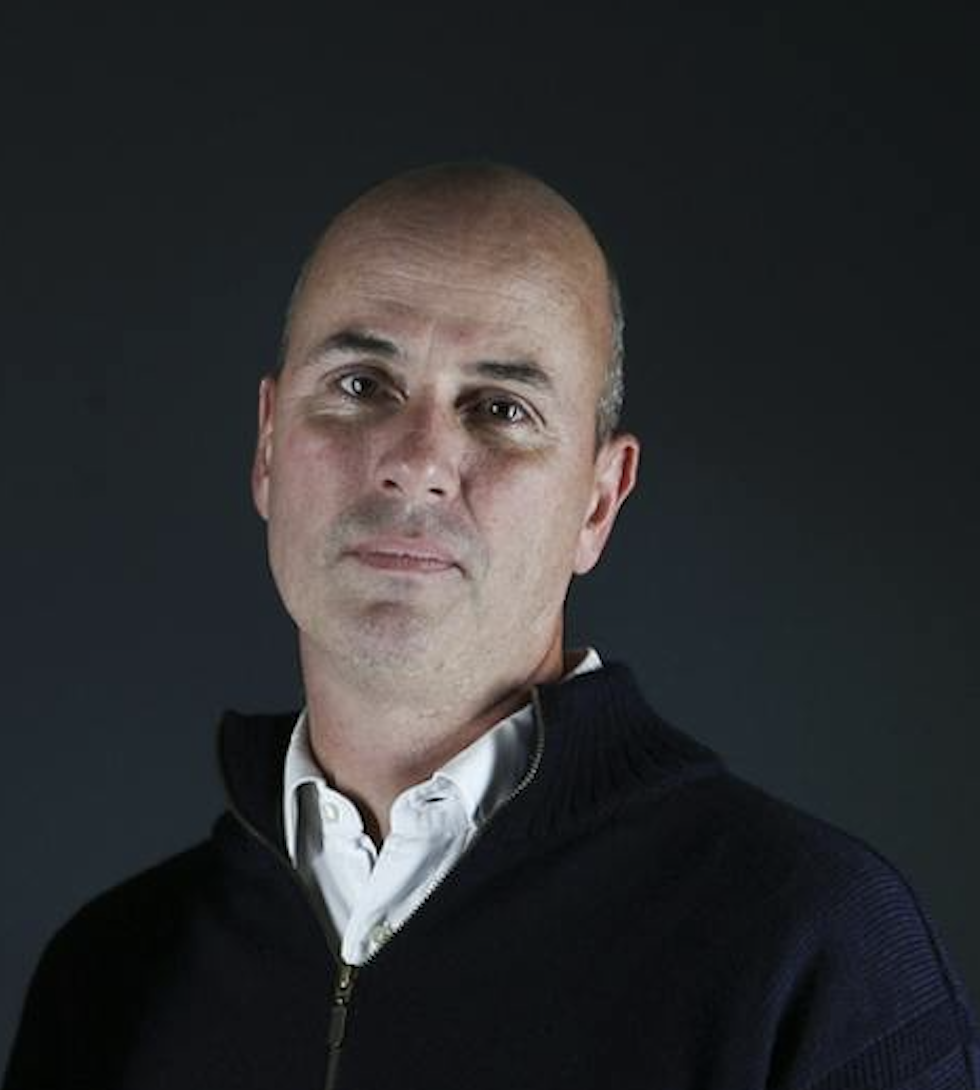
The recipient of National Endowment for the Arts fellowships in both poetry and translation, Michael Bazzett is the author of five collections of poetry, including The Echo Chamber (Milkweed Editions, 2021) and Cloudwatcher, winner of the Stern Prize from APR, forthcoming from Copper Canyon in early 2026. His translation of the selected poems of Humberto Ak’abal, If Today Were Tomorrow, was published by Milkweed in 2024.
Poet and translator Charles Simic once said that “to translate is to experience the difference that makes each language distinct, but equally to draw close to the mystery of the relationship between word and thing, letter and spirit, self and the world.” It is a supreme act of engagement with a literary text. With the Translator’s Page, we aim to feature the essential work of contemporary translators working across different languages and time periods.
—Maja Lukic, Curator of the Translator’s Page
Maja Lukic holds an MFA in poetry from the MFA Program for Writers at Warren Wilson College. Her work has appeared or is forthcoming in Narrative, A Public Space, The Adroit Journal, Bennington Review, Image, Sixth Finch, Copper Nickel, the Slowdown podcast, and elsewhere. Currently, she serves as curator of the Translator’s Page and Board member of Four Way Books.